Spotted hyenas and how hydration shapes their survival
This blog was written by Koketso Barongwa Sekome, a Bushwise Professional Safari Guide student. Each student takes a turn as camp manager, and writing a blog is part of the experience.
Across Africa’s open plains, the sound of a spotted hyena’s call cuts through the night. These animals are clever, complex, and highly adaptable, but even the most resourceful creatures need one thing to survive: water.
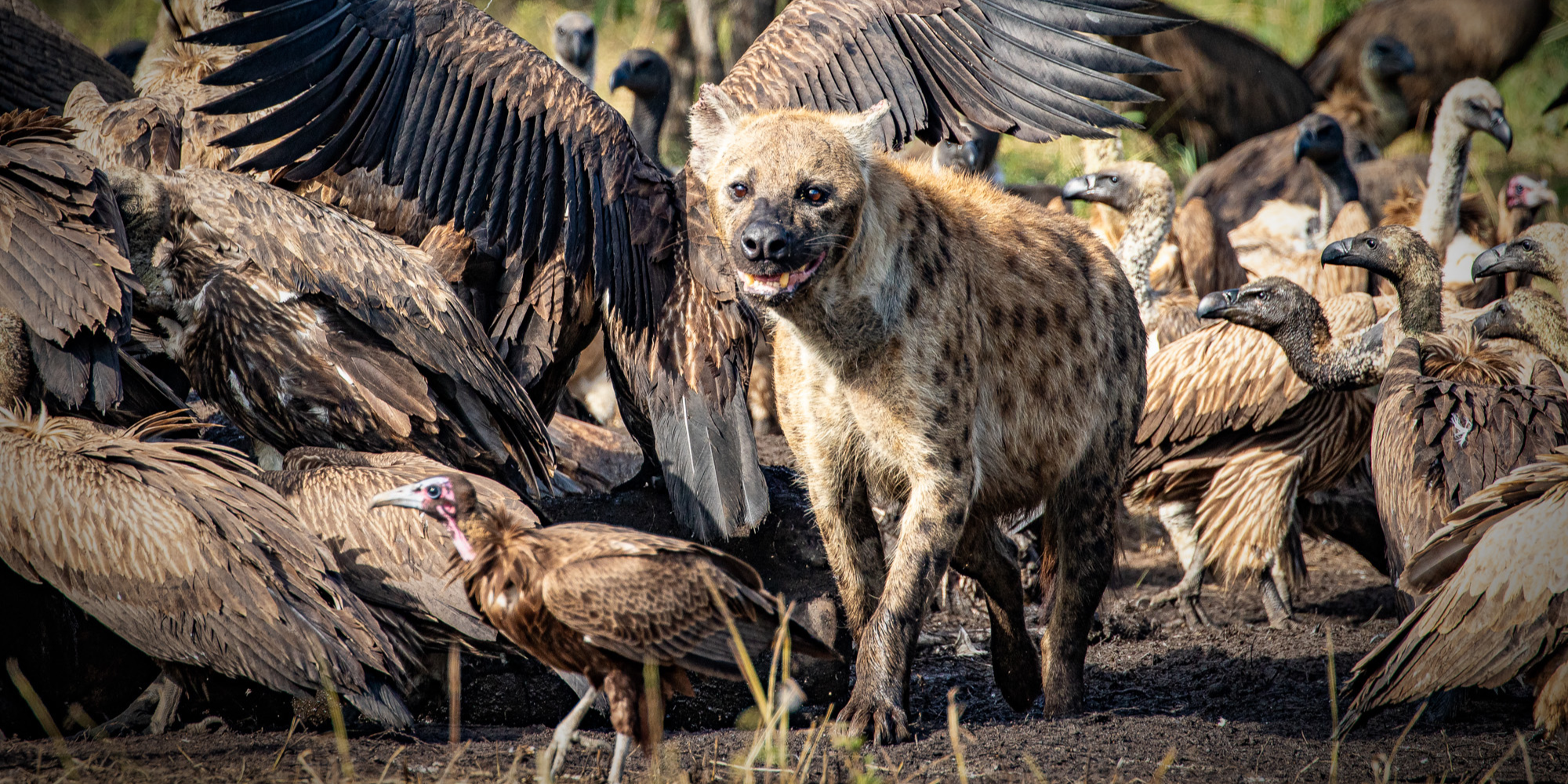
In the bush, where dry seasons can stretch for months, water plays a surprisingly big role in shaping hyena behaviour and survival. It helps them regulate body temperature, digest food, heal from injuries, and keep their coats in good condition. It also influences where they live, how they hunt, and how their clans interact.
Spotted hyenas get most of their water from their prey. The blood and soft tissues of animals they hunt or scavenge contain enough moisture to sustain them for several days. When water is easy to find, they’ll drink often and use rivers, dams, or pans to cool off in the heat. In dry conditions, they can go a week or more without drinking, depending almost entirely on prey fluids for hydration.
Hyenas are often drawn to waterholes – not just to drink, but to cool down, socialise, and hunt. Water sources attract herbivores, and where there are prey animals, predators are never far behind. Researchers have even seen hyenas submerging carcasses in water to hide them from other scavengers and return later for a second meal.
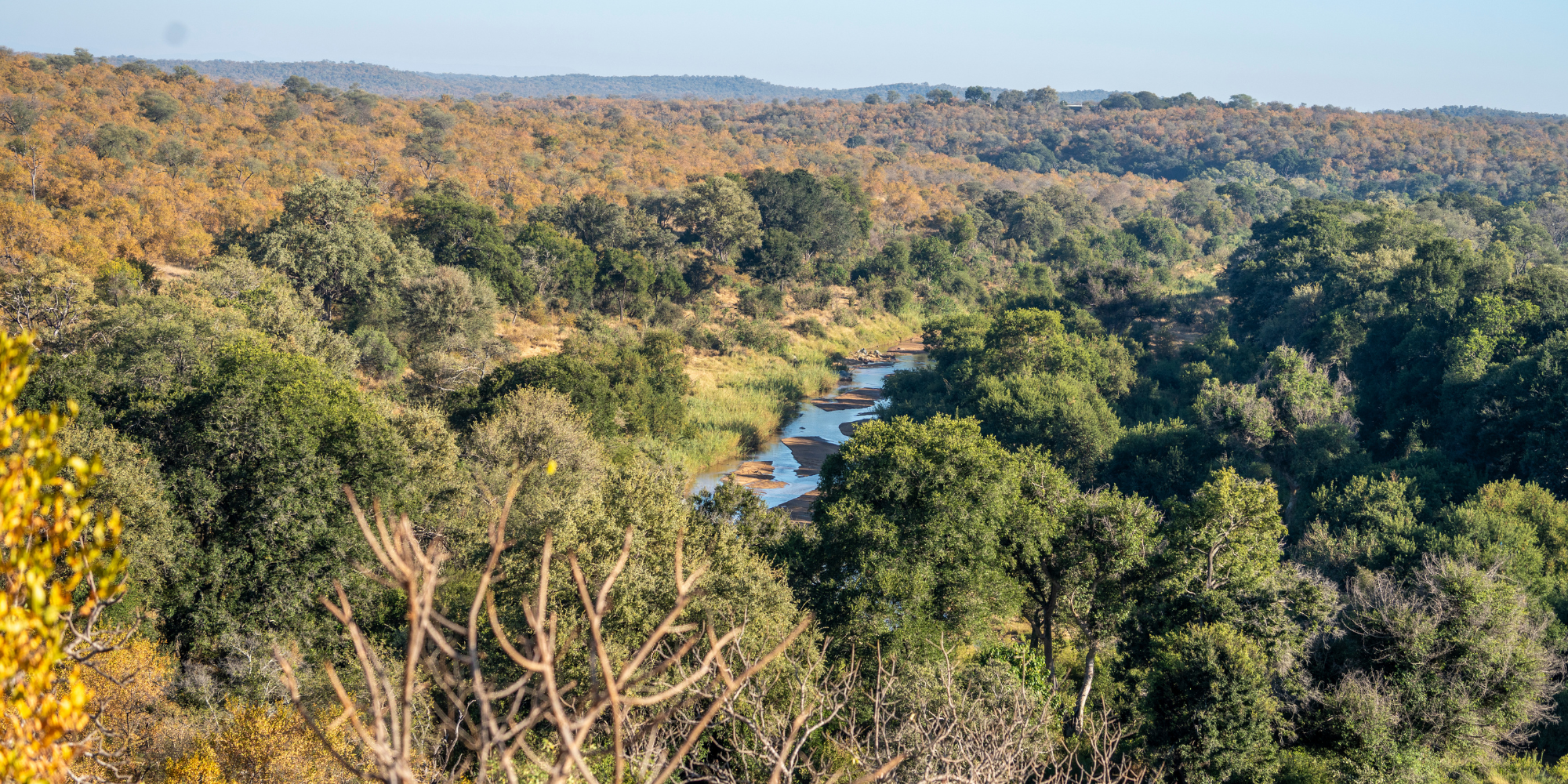
Areas with reliable water tend to support more hyenas. That’s partly because water brings in more prey, but also because it provides central meeting points for clans. Hyenas use these spots to interact, reinforce social bonds, and communicate through scent marking and vocalisations. When drought hits and waterholes dry up, these important gathering places disappear, and clan territories may spread wider as they search for food and hydration.
To cope with the heat, hyenas adjust their routines. They’re mostly active at night, when temperatures are cooler and less energy is lost to the sun. During the day, they’ll rest in the shade or in shallow pools of water. Their bodies are well adapted to conserving moisture, and their kidneys are efficient at holding onto water even in arid environments.
Water shapes every part of a spotted hyena’s life – from hunting to social structure to territory size. Protecting natural water sources like rivers, pans, and wetlands helps ensure not only the survival of hyenas but also the balance of the broader ecosystem they’re part of. When water thrives, so does everything else around it.
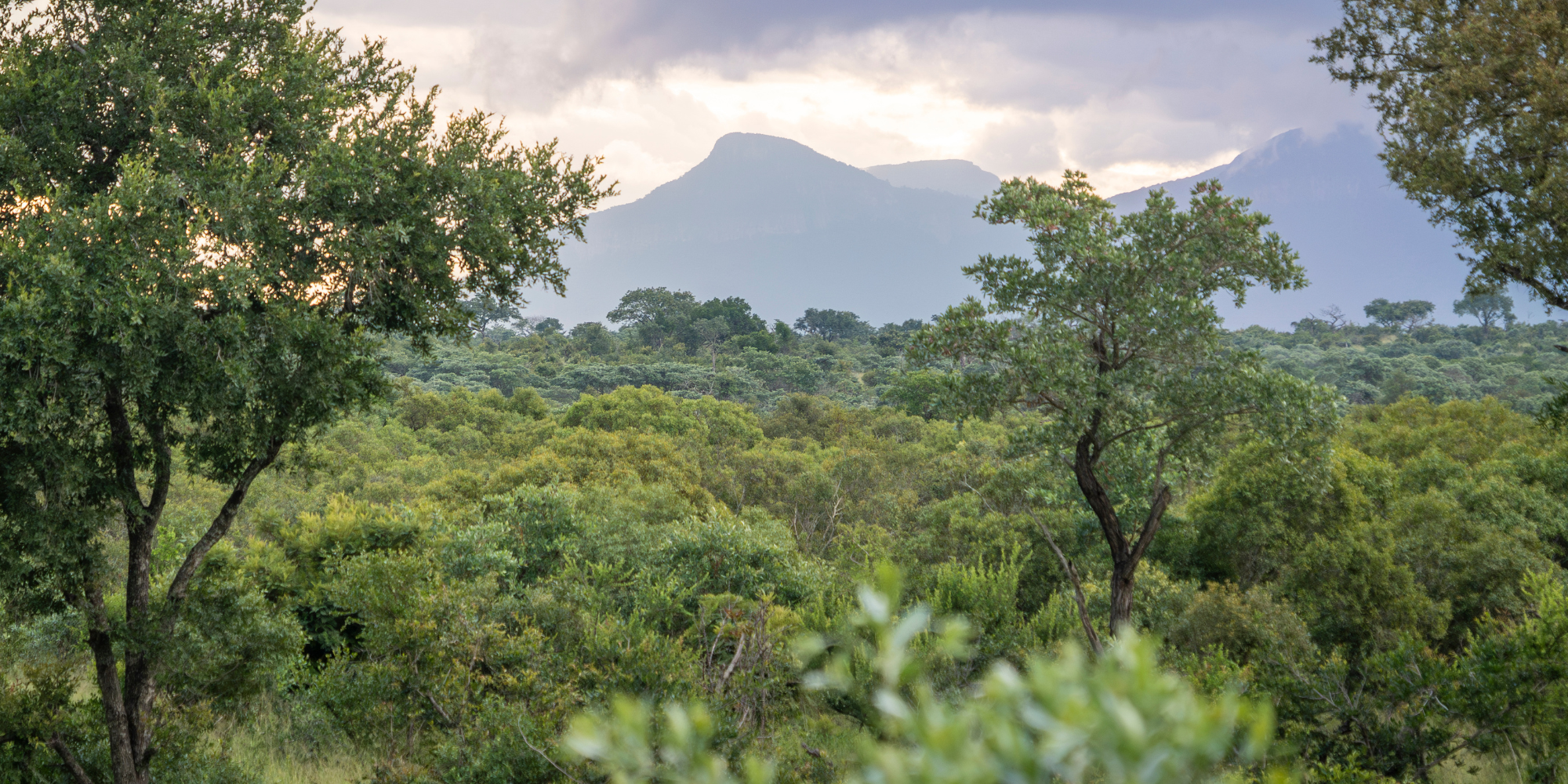
If learning about the natural world excites you, imagine studying it in person. Join Bushwise to explore Africa’s wildlife up close, understand the behaviours that keep ecosystems in balance, and take the first step towards a career in field guiding, wildlife tourism, or conservation.